 MEIKAI
Before They Walk In: How LLMs Are Shaping Luxury's First Impression
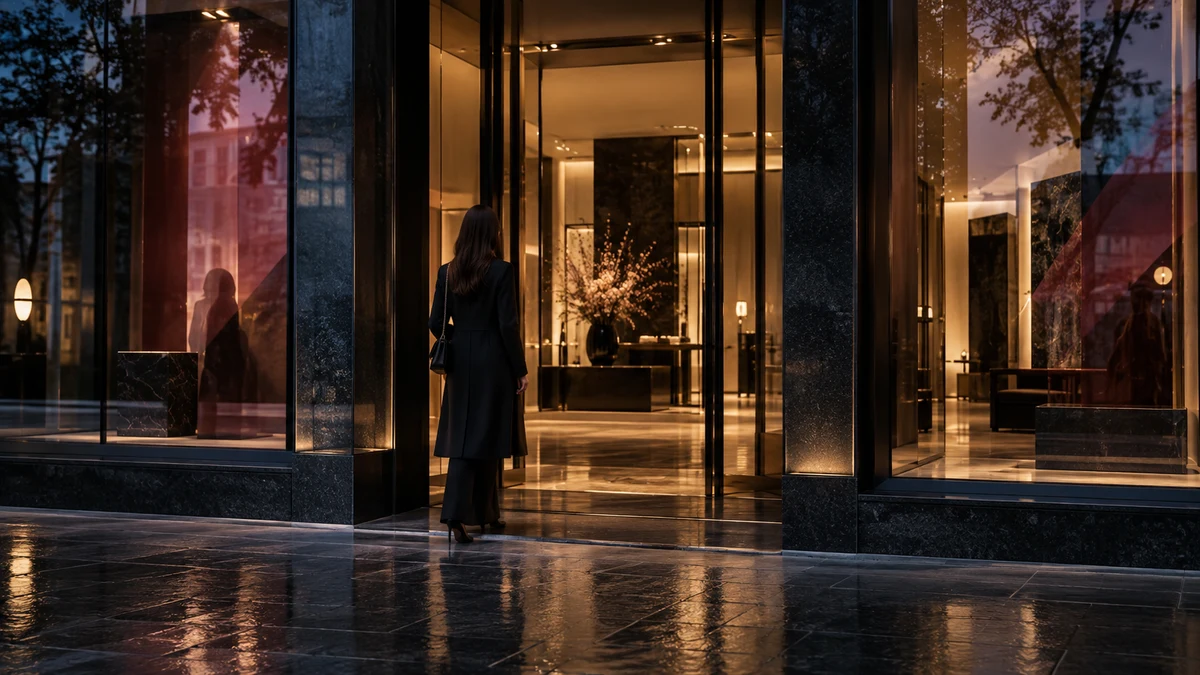
As brands enter the busiest quarter of the year, the run-up to Christmas, most of the work goes into windows, campaigns and the in-store experience. Yet the customer who walks in on 15 December has already made up part of their mind. Not in your store, and not on your website.
According to a joint analysis by Bain & Company and Meikai, many people consult large language models (LLMs) before even thinking of a specific brand. 70% of luxury-related LLM searches do not include any brand names at all. Furthermore, the majority of the information LLMs reference comes not from the brands' own words, but from third-party content such as review sites and media outlets. For watch-related queries, 90% of the URLs cited by LLMs originate from websites outside the brands themselves. For many consumers, LLMs are now becoming their first point of contact with a brand. In other words, much of the first impression that used to be formed only after visiting a store is now being shaped before they even arrive, largely without the brand's own voice in the room.
Disclosure and method. Meikai is an AI visibility and advertising planning platform, so this is a vendor writing about a market it operates in. The 70% and 90% figures come from the first analysis of its kind conducted jointly by Bain & Company and Meikai, published as part of Bain and Comité Colbert's fifth annual Luxury and Technology report, "Winning Over the Customer in the Age of AI: A New Horizon for Luxury" (June 30, 2026).
| WHAT THE JOINT ANALYSIS FOUND | FIGURE |
|---|---|
| Luxury-related LLM searches that don't mention a brand name | 70% |
| Watch-query URLs cited by LLMs that come from outside the brand's own site | 90% |
Source: Bain & Company × meikai.ai joint analysis, June 30, 2026.
What no LLM can replace
However, what the luxury industry has truly focused on is what comes after that. It is the exhilaration of putting the item on for the first time, the history and stories brought to life through the sales associate's words and the store's atmosphere, and the sense of what kind of world one enters by owning it. These are not things that can be understood through explanation alone, they can only be felt by standing in that space.
When the impression sets before the visit
The issue is what happens before the in-store experience even begins. If a customer has already formed a mistaken or superficial impression through an LLM before even arriving at the store, the situation changes completely. People find it difficult to let go of impressions once they've been formed, because they interpret subsequent information in a way that aligns with their initial assessment. Regardless of whether it's correct or not, people who arrive at a store with preconceived notions are harder to win over than those who come in knowing nothing. No matter how excellent the in-store experience may be, it won't have the same impact once that initial impression has already solidified.
What brands should do
So, what should brands do? Simply optimizing their own website isn't enough. The key question is whether they're telling a consistent story even in external spaces, such as reviews and various media outlets that LLMs already trust. It's not a problem in itself to adjust the messaging for each channel. What matters is that the brand's underlying worldview is conveyed consistently, no matter where it's presented. On one review site, a brand might be described as "craftsmanship from a workshop spanning three generations," while another media outlet might simply dismiss it as "high-end jewelry." When fragmented information exists in isolation, the impression LLMs form may end up diverging from the brand's true identity, and a worldview honed over decades risks being distorted, one thin description at a time. That consistency doesn't happen on its own. It starts with knowing how the media outlets LLMs already trust are describing the brand today, and working directly with them to close the gap.
Before meeting you in-store, a story has already formed in the customer's mind. This is the reality luxury brands are facing today.
How is your brand being described by LLMs when no one searches for its name?
Frequently asked questions
Can luxury brands influence what LLMs say about them?
Not directly. But brands can shape it indirectly by keeping their messaging consistent across the external sources LLMs already trust, such as media coverage, rather than relying only on their own website.
Does this mean the in-store experience no longer matters?
No. The in-store experience remains what luxury is built on. The issue is timing: if a mistaken impression has already formed before the customer arrives, even an excellent in-store experience won't fully undo it.
Method and sources
The 70% and 90% figures come from a first-of-its-kind analysis conducted jointly by Bain & Company and Meikai, published within Bain and Comité Colbert's fifth annual Luxury and Technology report, "Winning Over the Customer in the Age of AI: A New Horizon for Luxury," released June 30, 2026.