 MEIKAI
Interparfums on ChatGPT Ads: +45.5% visibility
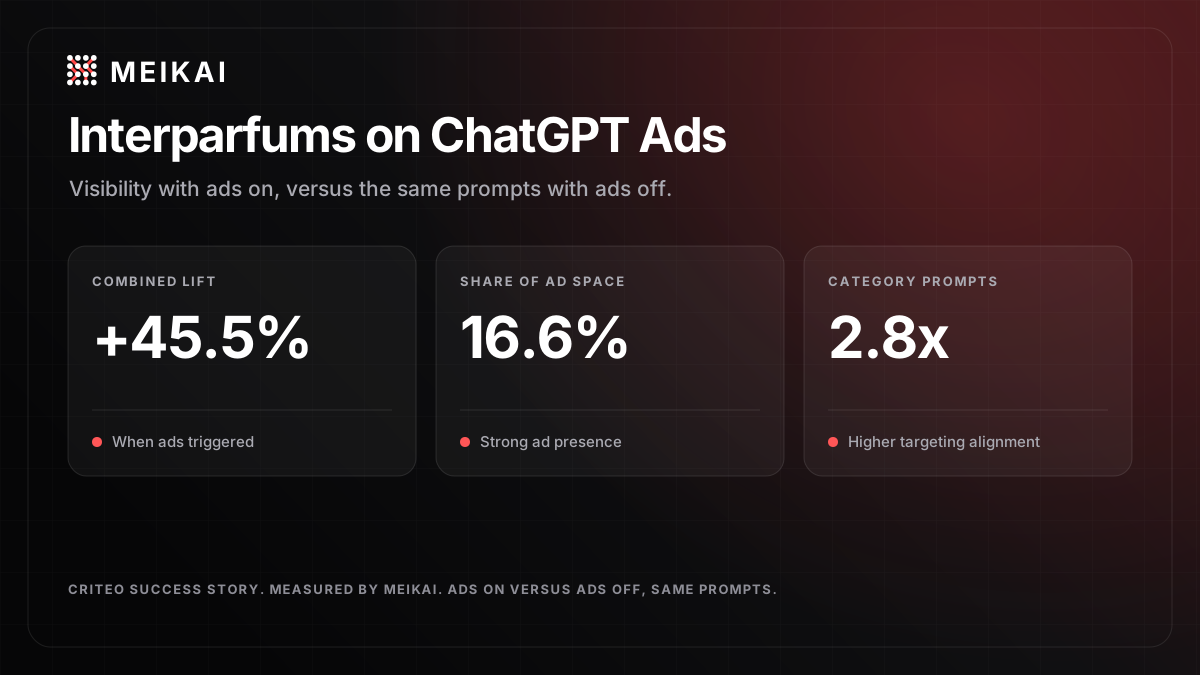
Criteo has published a success story on Interparfums' first ChatGPT Ads campaign. Interparfums ran the flight. Criteo bought and served the inventory, as OpenAI's first advertising technology partner. Meikai measured what the ads did to brand visibility inside the conversation.
That last part is why this is worth a closer look. ChatGPT Ads is still early enough that most brands will judge a flight by reading a visibility chart before and after. Interparfums did the more useful thing: it compared the same prompts with ads triggered and without them.
The short version: across May and June 2026, combined brand visibility lifted 45.5% when ads triggered. Interparfums captured a 16.6% share of ad space with a strong ad presence. Targeting alignment was 2.8 times higher on category prompts. Criteo reports that Interparfums had never reached this level of total brand visibility before.
Disclosure. Meikai was Interparfums' data partner on this campaign. The figures in this article are Criteo's published results, measured by Meikai. Meikai does not sell ChatGPT inventory and takes no commission on media. Criteo does. Treat this as a vendor's reading of a public case, not an independent audit of Criteo's buying stack.
What the campaign was
Interparfums, Inc. develops, manufactures and distributes prestige fragrances through an international network covering more than 120 countries. It joined Criteo's inaugural ChatGPT Alpha with no predefined KPIs. The brief was to learn how a labelled placement inside ChatGPT behaves for a fragrance portfolio. Then whether the channel was worth taking further.
That is a sane way to enter a format that barely existed at the start of the year. The expensive mistake, which we have already seen elsewhere, is to treat ChatGPT like paid search: bid on the obvious category, then credit every movement on a visibility dashboard to the media line. Criteo and Interparfums set the campaign up so that question could be answered rather than assumed.
What we measured
Interparfums asked Meikai to measure brand visibility with and without ad triggers. Targeting alignment on category prompts was part of the same brief. The design is simple on purpose. Keep the prompt set still. Observe the conversation when a labelled ad appears. Then when it does not. The difference is the incrementality of the placement, not a before-and-after chart that can move because a cited page changed, a model drifted or a competitor published something that week.
That is the method we have argued for in our writing on generative engine advertising: take paid delivery from the ad platform. If you want a visibility read, compare held-back or ads-off prompts with the ones that triggered. Combining an impression with an organic citation into one score destroys the only distinction that matters. OpenAI states that ads in ChatGPT are labelled, rendered separately from the answer and do not influence organic responses. No amount of GEA spend earns a GEO citation. What it can change is whether the brand is present in the experience the person actually saw.
What the numbers say
Criteo published three campaign figures. All three come from the May and June flight.
| Result | What it means |
|---|---|
| +45.5% combined visibility lift when ads triggered | Total brand presence in the ChatGPT experience was substantially higher in the ads-on condition than in the ads-off condition, on the same prompt set. |
| 16.6% share of ad space, with strong ad presence | When ads were in play, Interparfums held a meaningful share of the labelled inventory in the conversations being measured. |
| 2.8x higher targeting alignment on category prompts | The campaign matched more tightly on unbranded, category-level questions (the ones where the assistant chooses the shortlist) than a looser buy would imply. |
The campaign also surfaced more than ten distinct brand themes, from luxury positioning and heritage storytelling to gifting appeal and iconic status. That is a portrayal signal, not only a presence signal. For a fragrance house, being named is not the same as being named as the gift, the heritage house or the icon. The themes are useful because they tell creative and media teams which buyer situations the placement actually entered.
What this does not prove
A public success story still has limits. They are worth stating.
- It is not proof that ads changed organic answers. Combined visibility includes the labelled placement itself. OpenAI's own policy is that advertising does not influence ChatGPT's organic responses. Read the 45.5% as lift in the experience when the ad served, not as a GEO citation gain.
- It is one Alpha flight. Two months, one advertiser, Criteo's inaugural ChatGPT programme. The result is real. It is not a rate card.
- Sample, markets and brand mix are not in the public write-up. Interparfums is a multi-brand group. Criteo does not name which houses sat in the flight, nor the prompt volume behind the percentages. We will not backfill those details here.
- Share of ad space is not the same as share of voice. 16.6% describes presence in the labelled inventory, not Interparfums' share of organic mentions against competitors.
What other brands should copy
The number people will quote is 45.5%. The part worth copying is the measurement design. Four habits follow from it. Ad Planner is how those habits become the next campaign, rather than a post-mortem on the last one.
- Measure ads on versus ads off, on the same prompts. A before-and-after visibility chart is not incrementality. We made that point when we released Ad Planner as ChatGPT Ads opened in Europe. This case is the working example.
- Start with category prompts. Branded questions already name the house. Category questions are where the assistant builds the shortlist. The 2.8 times alignment figure is the evidence that the buy was doing work in that harder set.
- Read the themes, not only the lift. Heritage, gifting, luxury, icon: those are briefing inputs for the next flight, not decoration for a slide.
- Keep the auction numbers separate. Impressions, clicks, CPC and conversions still come from the ad platform. The visibility layer answers a different question: when the ad served, did the brand show up more. In the right conversations.
Why Ad Planner is the real prize
Interparfums proved the measurement. The potential sits one layer upstream. Most brands still entering ChatGPT Ads will bid on the obvious category and hope. Ad Planner exists so they do not have to. It reads the same GEO data that made this case measurable, then turns it into a plan before the first impression: where ads already trigger. Where organic presence is weak. Where spend would buy conversations the brand already wins.
That is a different job from filling the slot. Criteo buys the inventory. Ad Planner decides whether the slot is worth buying. Then what to put in it. Four outputs, in order.
- Opportunity selection. It ranks buyer intents where ChatGPT already serves ads, scored on ad penetration and your organic gap. Category prompts sit at the top of that list for a reason. That is where the assistant chooses the shortlist. It is also where Interparfums saw 2.8 times higher targeting alignment.
- A verdict per line: Buy, Defend, Organic first, or Monitor. Some lines say do not spend. That is the point. Inventory is limited and premium-priced. The potential of Ad Planner is as much in the budget it withholds as in the budget it places.
- A launch-ready ad group. Context hints in the language of the monitored prompts, a suggested max bid informed by organic strength, chat cards grounded in real products. The themes this campaign surfaced (heritage, gifting, luxury, icon) are exactly the situations an Ad Planner hint should describe.
- Lift, measured the way this case was measured. Paid numbers from the ad platform. Visibility on versus off, on the same prompt model. The Alpha flight had to be designed by hand. Ad Planner makes that the default on every flight.
The channel is still early. That is the window. Brands that walk into the auction with a plan take positions in contexts their competitors have not mapped yet. Meikai Ad Planner for ChatGPT is available standalone or on any monitoring plan. If you want to see the contexts we would buy, defend and leave alone on your brand, talk with our team.
Method and sources
Campaign facts and the three published figures come from Criteo's Interparfums success story, read at publication. Interparfums company background is taken from that same page. Meikai's role as data partner is stated there and confirmed here. Statements about ChatGPT Ads labelling and organic influence follow OpenAI's published advertising documentation. Meikai capability statements reflect what is documented on this website at publication.
Frequently asked questions
What results did Interparfums see from its ChatGPT Ads campaign with Criteo?
Criteo reports a 45.5% lift in combined brand visibility when ads triggered. A 16.6% share of ad space with strong ad presence. Targeting alignment 2.8 times higher on category prompts. The flight ran in May and June 2026 as part of Criteo's ChatGPT Alpha. Interparfums reported that its brands had never reached this level of total brand visibility before.
How did Meikai measure the Interparfums ChatGPT Ads campaign?
Interparfums asked Meikai to compare brand visibility with and without ad triggers on the same prompt set. Targeting alignment on category prompts was part of the same brief. That ads-on versus ads-off design isolates the incrementality of the labelled placement, instead of reading a before-and-after visibility chart that can move for unrelated reasons.
Does a ChatGPT ad increase organic AI visibility?
Not by itself. OpenAI states that ads in ChatGPT are labelled, rendered separately from the answer and do not influence organic responses. Combined visibility lift includes the labelled placement in the experience the person saw. It should not be read as a gain in organic citations or generative engine optimisation.
Who bought the media? Who measured it?
Criteo bought and served the ChatGPT Ads inventory as OpenAI's first advertising technology partner. Meikai was Interparfums' data partner and measured visibility with ads on and ads off. Meikai does not sell the inventory and takes no commission on media.
What is Meikai Ad Planner? How does it relate to this case?
Ad Planner is Meikai's planning layer for ChatGPT Ads. It ranks the buyer intents where ads already trigger. It classifies each as Buy, Defend, Organic first or Monitor. It drafts a launch-ready ad group. It measures lift on the same ads-on versus ads-off design used in the Interparfums case. Criteo buys the inventory. Ad Planner decides where that inventory is worth buying. It is available standalone or on any monitoring plan.